Treating iron deficiency anaemia
The most common treatment for iron deficiency anaemia is iron tablets or liquid iron, taken by mouth.
Many people can’t take iron tablets because they cause cramping, constipation and abdominal pain, and for others the tablets simply don’t work.
Intravenous iron
Intravenous iron is an alternative. New formulations can be given in around 30 minutes through a drip in the arm or hand, delivering the equivalent of a year or more of iron tablets in one go.
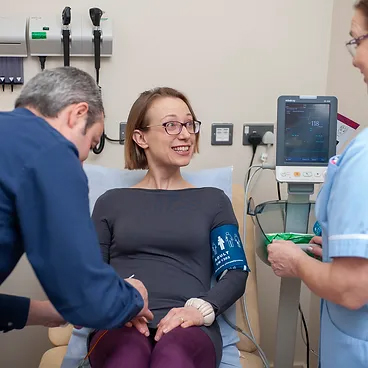
Intravenous iron is safe when given in hospital, and is available at the Cambridge Iron Clinic in the Nuffield Hospital, which is rated Outstanding by the Care Quality Commission. You are monitored during and after treatment, and the iron is given by an electronic pump.
Costs
| Treatment | Price |
|---|---|
| Intravenous iron infusion (including consultation) | £920 |
| Intravenous iron infusion (including consultation) plus B12 injection, including teaching to self-inject | £995 |
| In-person consultation plus B12 injection, including teaching to self-inject | £300 |
| In-person consultation only | £200 |
| Video consultation | £250 |
| Video follow-up consultation | £175 |
Private health insurance may cover the intravenous iron infusion and consultation, with the exception of AXA, which the clinic does not accept. Please contact your insurer, quoting procedure code X3591 (intravenous iron infusion at the Nuffield Hospital, Cambridge).
Treating B12 deficiency
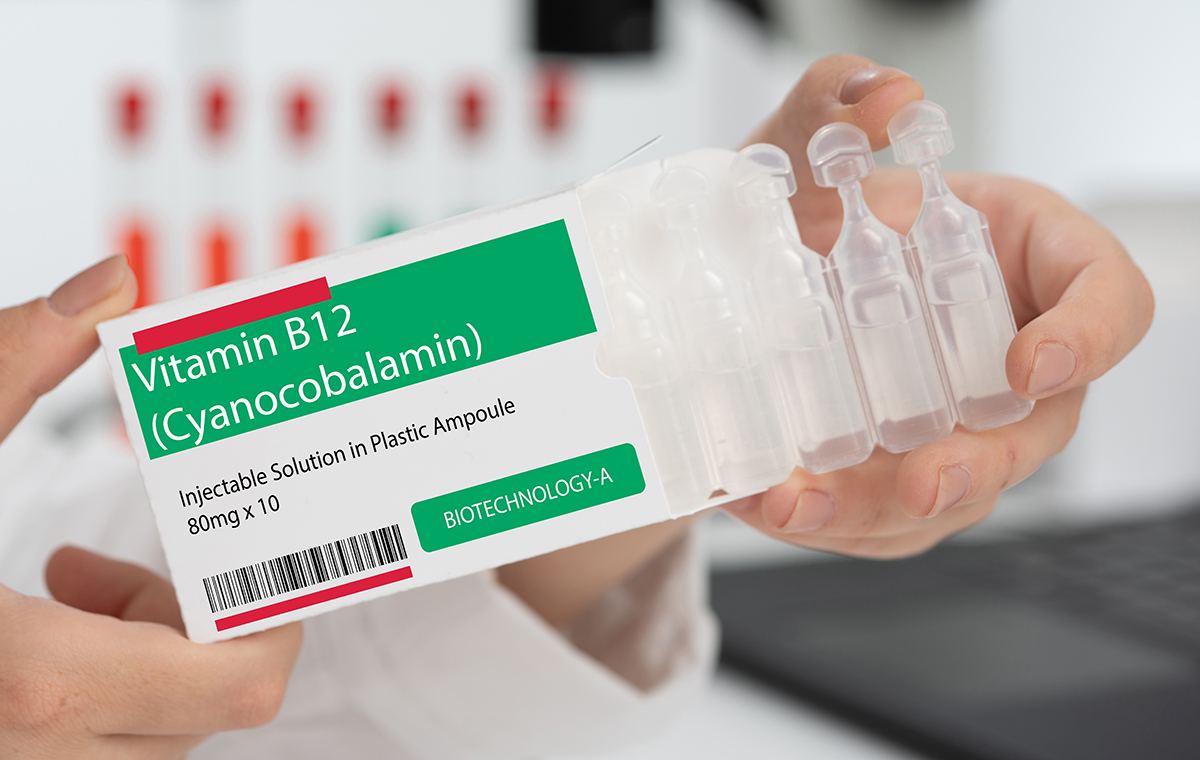
B12 deficiency is treated with B12 injections every two days, along with folic acid supplements, until symptoms stop improving.
After that, injections are given every fortnight or every month to keep levels up.
We can teach you to give your own B12 injections at home – see our guide to self-injecting vitamin B12.